Eacoon continued to support industrial customers with equipment manufacturing, retrofit coordination, delivery, installation and commissioning during a busy September. Based on the company’s internal production and project records, the month included 88 sets of equipment delivered on schedule, a time-sensitive low-NOx retrofit, desulfurization and dust-removal projects, and after-sales work at multiple customer sites.
For industrial buyers, the update demonstrates how industrial emission control solutions depend on more than a single product. Engineering coordination, production control, interface management, quality checks and field service all influence whether equipment can be integrated into an operating plant safely and efficiently. The following sections summarize the work completed and the practical capabilities demonstrated during these projects.
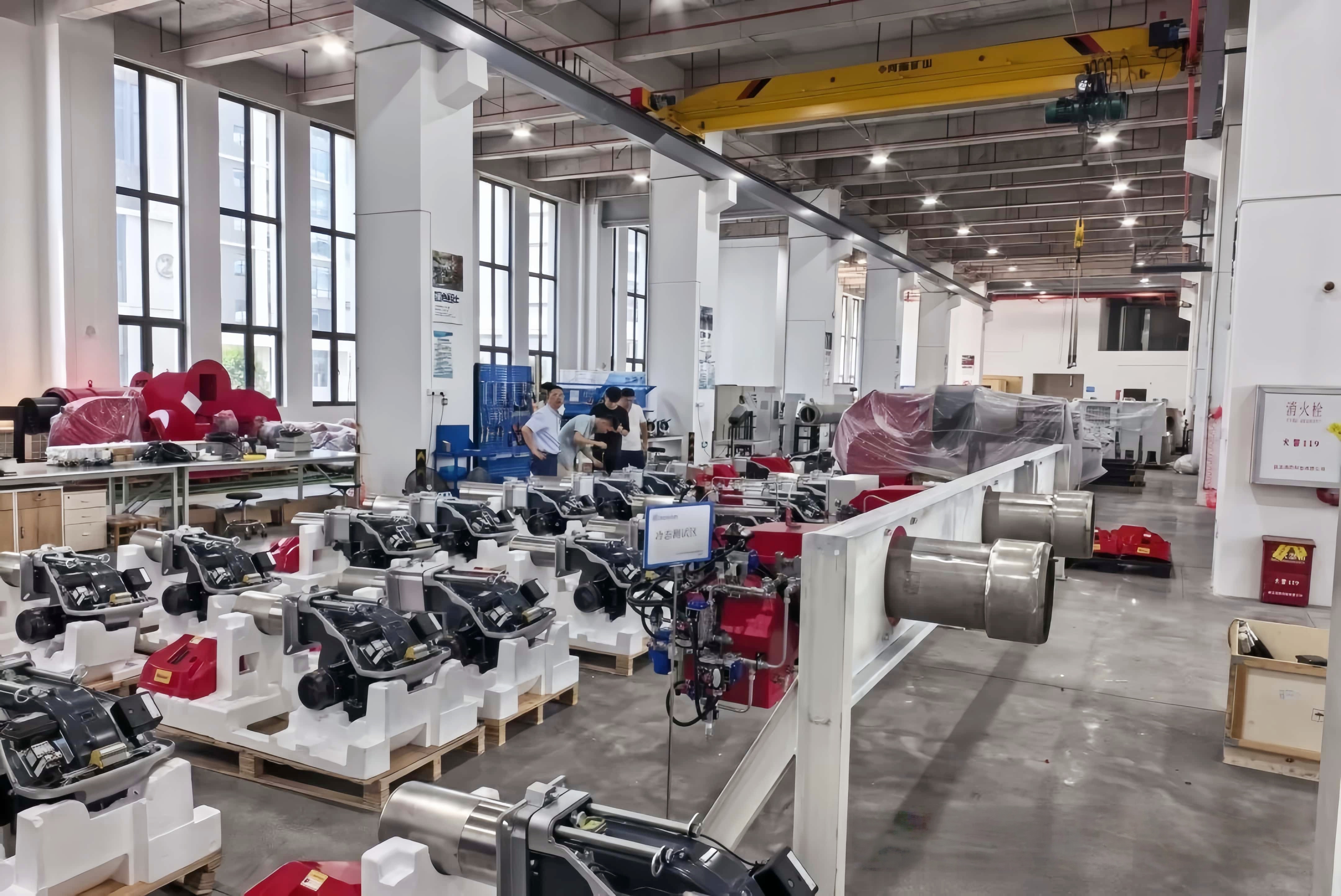
According to Eacoon’s September production records, its manufacturing lines operated at high utilization and completed close to RMB 20 million in output value. A total of 88 equipment sets were delivered to customer sites in China and overseas. These figures are company-reported operational results for the period and should be read as a project update rather than a performance guarantee for future orders.
Delivering industrial burner equipment and related systems requires coordinated scheduling across engineering, procurement, fabrication, assembly, inspection and logistics. Eacoon’s production teams used cross-functional planning to align custom components with project milestones. This approach helps industrial emission control solutions move from design review to shipment with clear checkpoints for quality and delivery readiness.
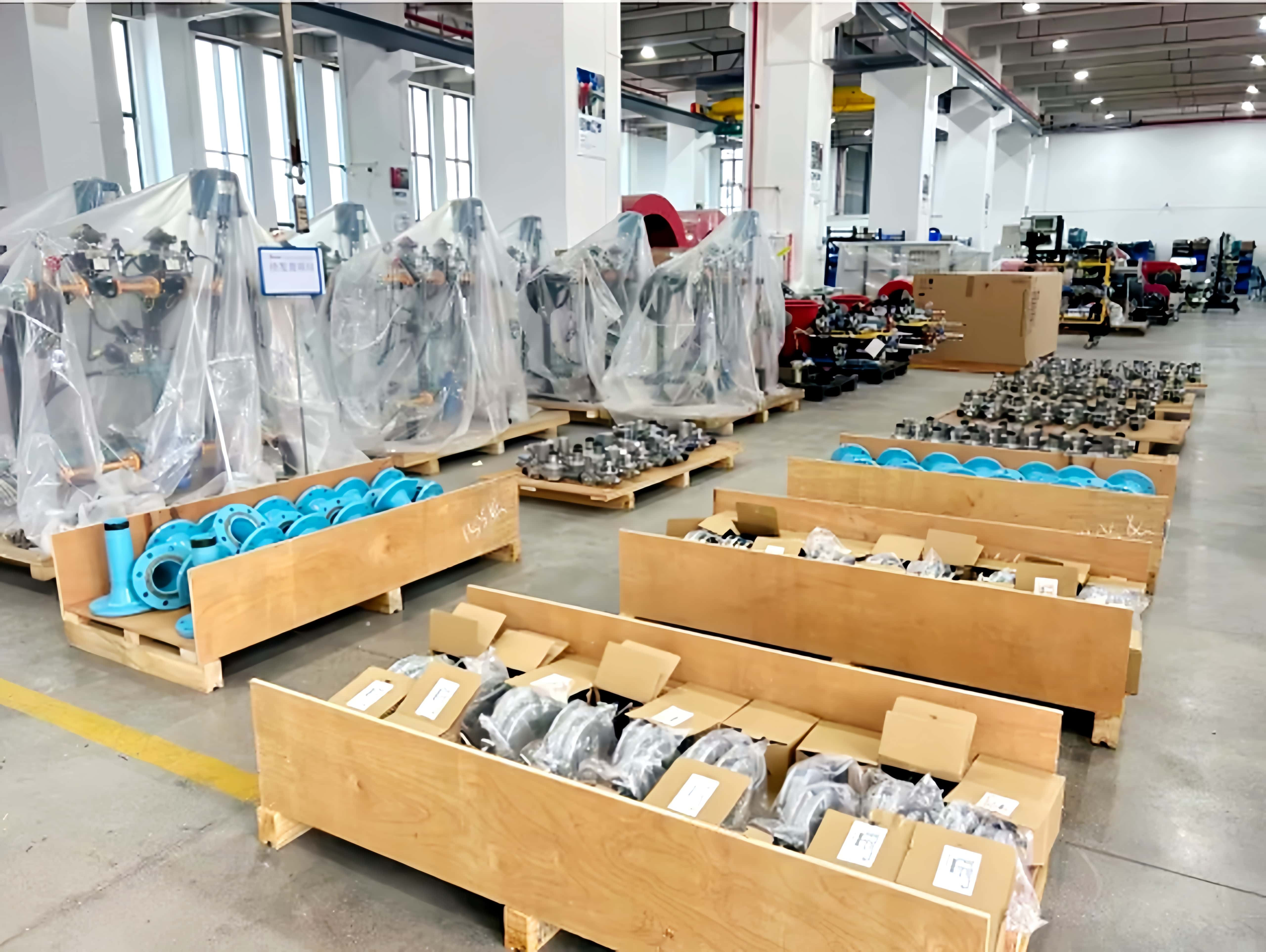
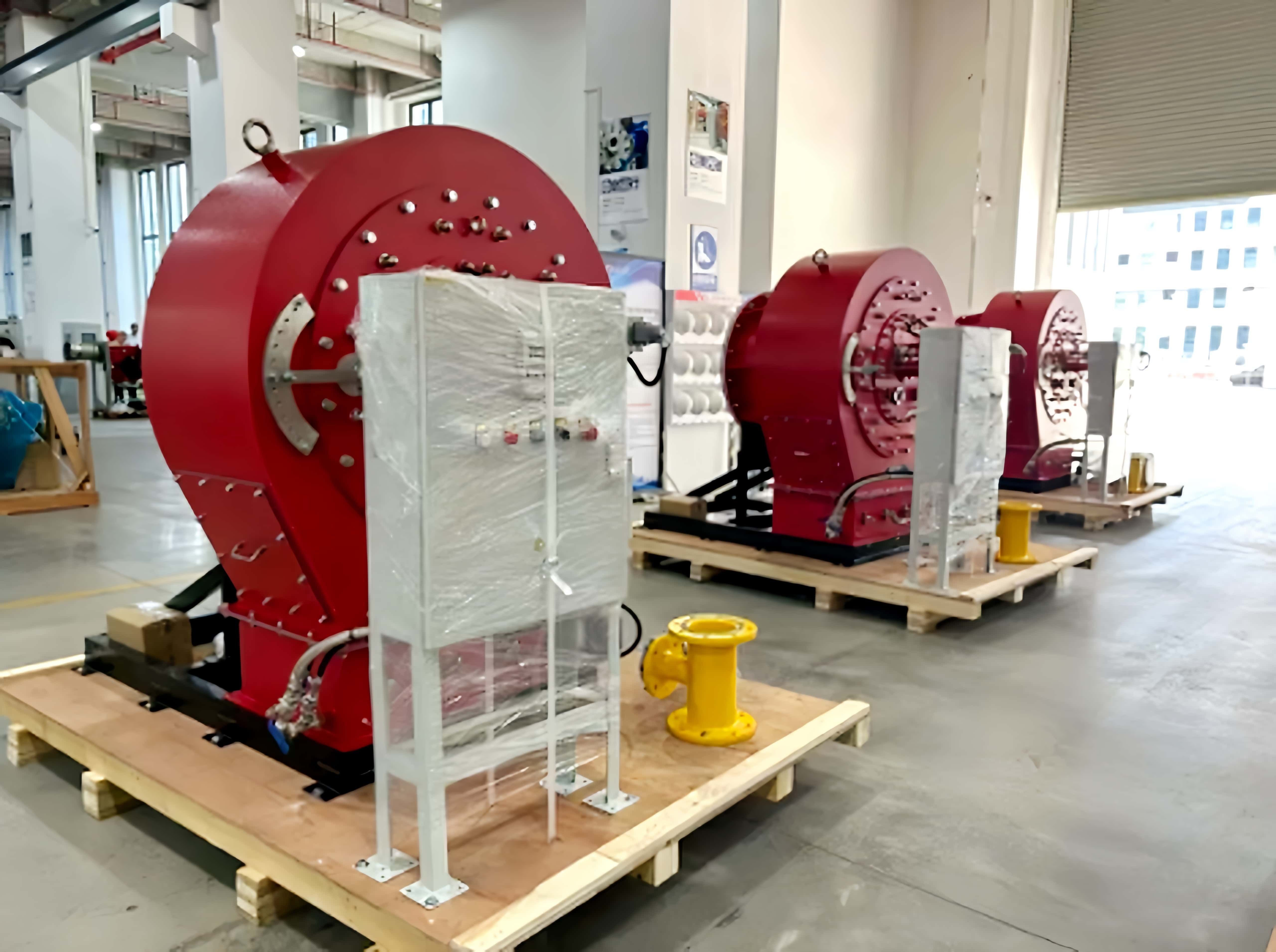
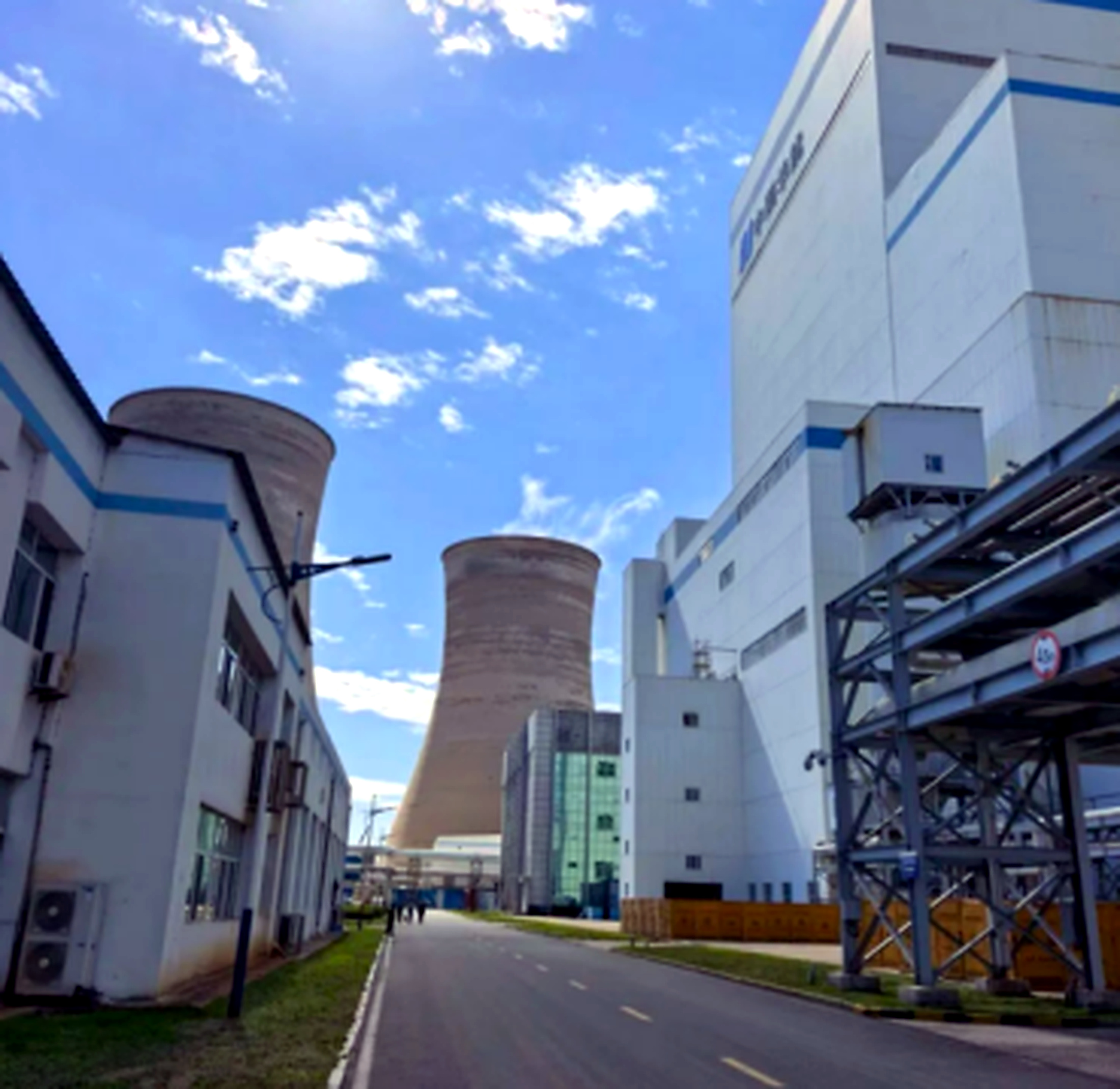
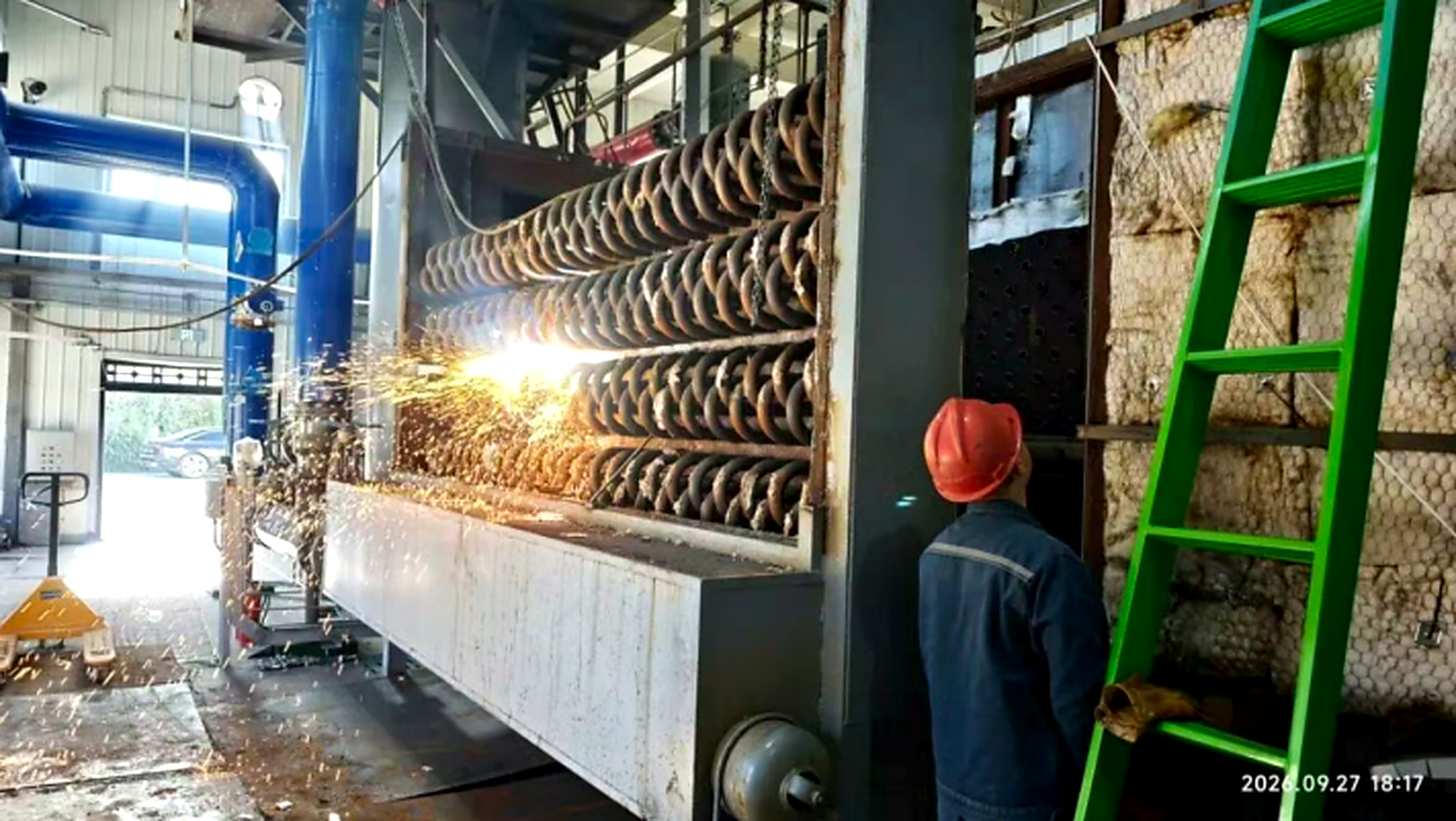
One of the month’s most demanding assignments was a low-NOx retrofit project for the Lanzhou branch of Kunming Iron and Steel. The company’s project record describes a 25-day delivery window, custom-developed equipment, explosion-proof requirements for a petrochemical operating environment, complex system interfaces and limited space for on-site modification.
Eacoon coordinated R&D, production and supply-chain resources to address the technical and scheduling constraints. The team refined the production plan, applied staged quality controls and worked through interface issues before shipment. The equipment was delivered within the recorded schedule. Actual retrofit performance and emissions outcomes depend on site conditions, system design, fuel characteristics, operating load and commissioning parameters; buyers should confirm project-specific targets during technical evaluation.
This project illustrates why industrial emission control solutions should be planned around the complete operating system. Burner selection, control logic, safety requirements, mechanical interfaces and commissioning procedures need to be reviewed together rather than treated as isolated purchasing decisions.
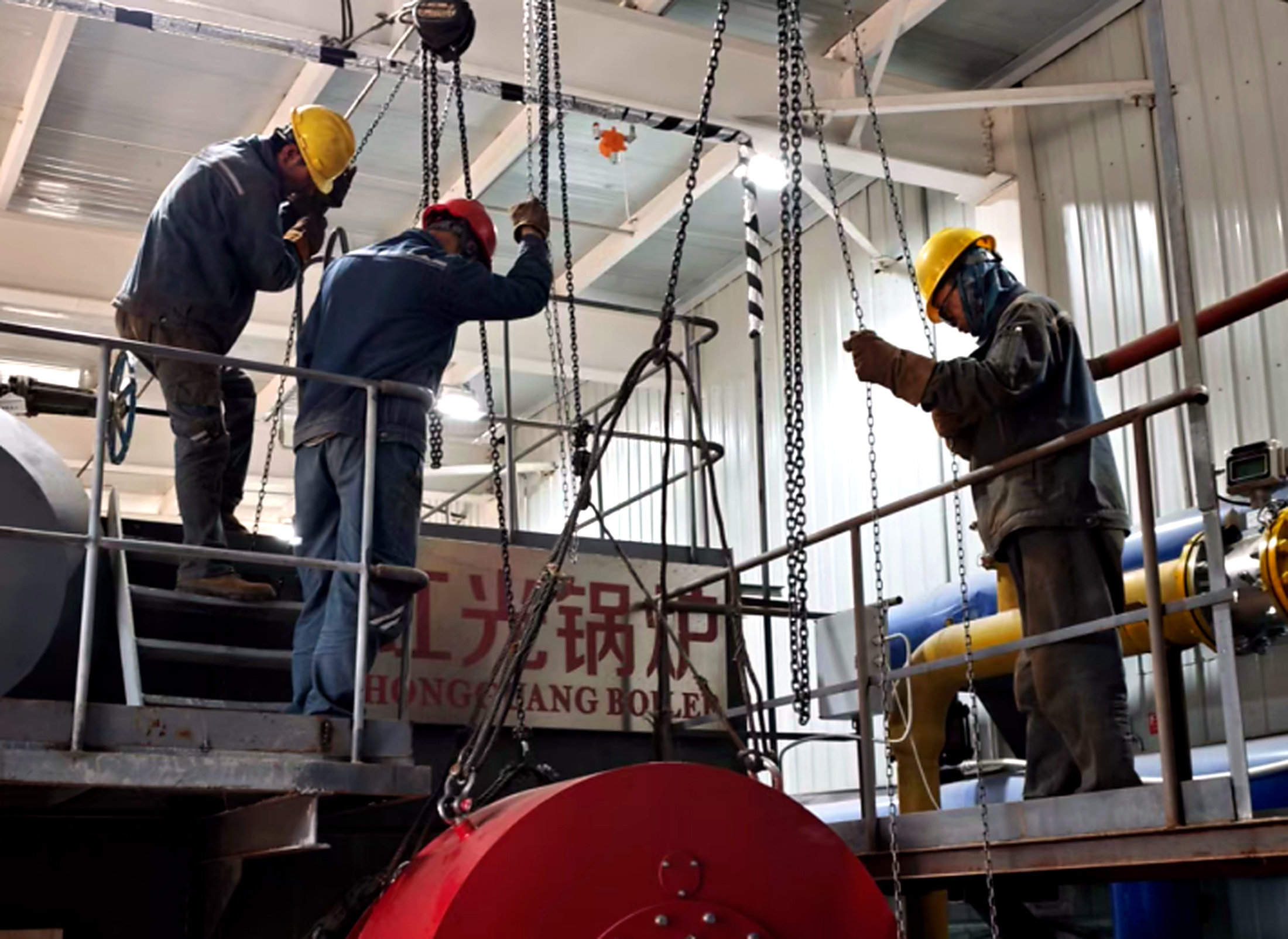
Eacoon’s project portfolio also includes integrated swirl-atomization desulfurization and dust-removal equipment for thermal power, steel and coking applications. The system can be considered for new desulfurization towers as well as retrofit projects, subject to an engineering review of the existing process, flue-gas conditions and required emission limits.
At the Guodian Huaneng Jiutai Power Plant, the company reports that equipment supplied in an earlier project phase remained in stable operation and met the applicable ultra-low-emission requirements recorded for that project. Equipment for the current retrofit phase also arrived on site according to the project schedule. Because each plant has different inlet conditions and regulatory requirements, Eacoon evaluates industrial emission control solutions against the customer’s actual operating data before proposing a configuration.
For buyers assessing flue gas desulfurization equipment, useful input data includes gas volume, inlet concentration, target outlet level, temperature, pressure, fuel or feedstock characteristics, available layout, planned downtime and control-system requirements. Providing these details early helps the engineering team define scope and identify integration risks.
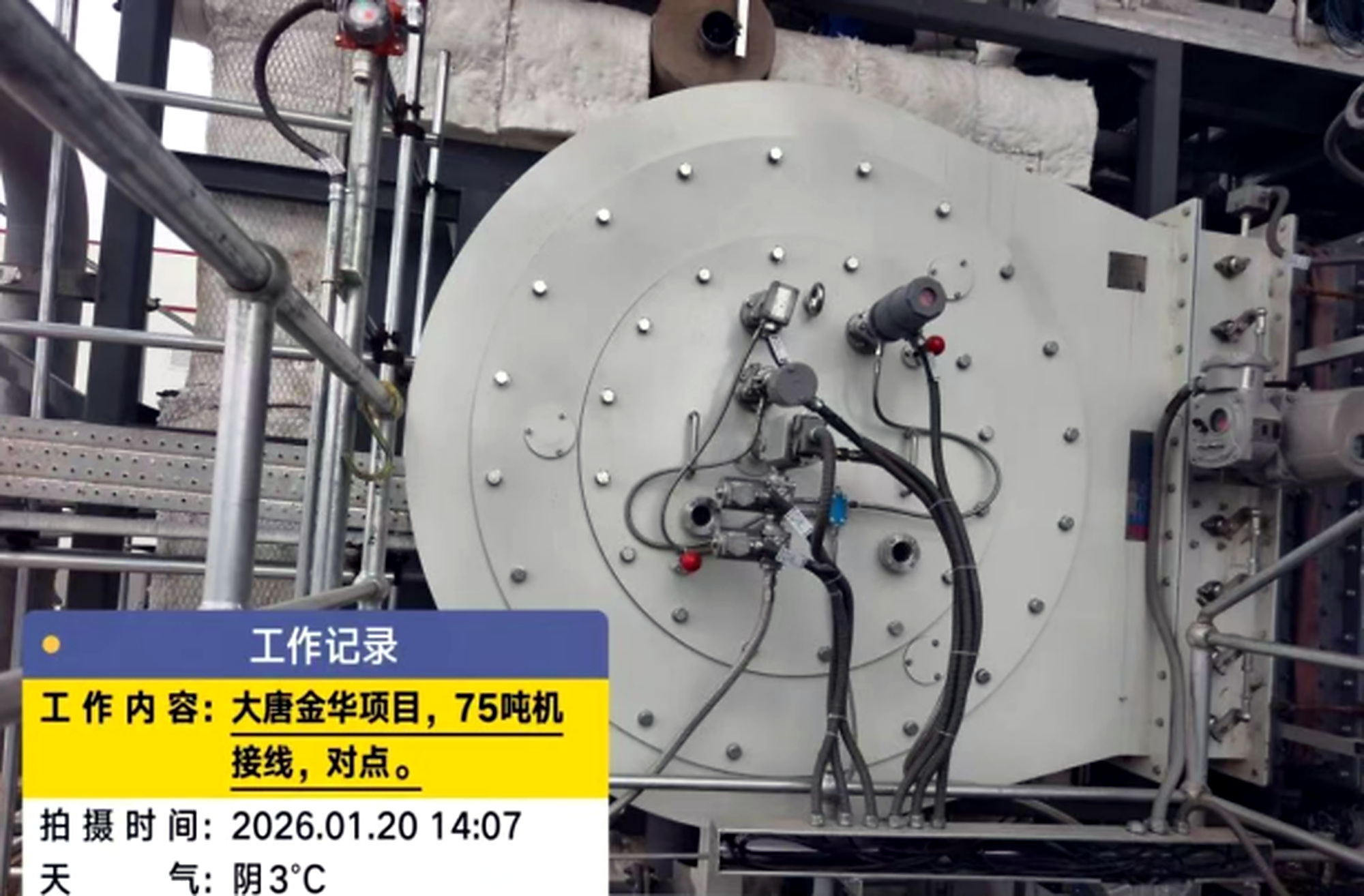
Delivery is one milestone in an industrial project, but stable start-up also requires installation checks, commissioning and responsive technical support. During September, Eacoon after-sales engineers worked at project sites including Nanhai Phase II, Guanghuantou Maoming, Datang Jinhua, Aksu in Xinjiang and the Lanzhou retrofit site.
Field teams supported installation and commissioning tasks based on each project’s scope. Their work focused on helping customer teams prepare equipment for stable operation and address site-specific issues promptly. This service layer is important for industrial emission control solutions because final operating results are affected by installation quality, control settings, process conditions and routine maintenance.
Customers planning a retrofit can reduce delays by confirming site access, lifting arrangements, electrical interfaces, fuel conditions, control signals, shutdown windows and acceptance criteria before equipment arrives. A documented commissioning plan also makes responsibilities and test conditions easier to manage.
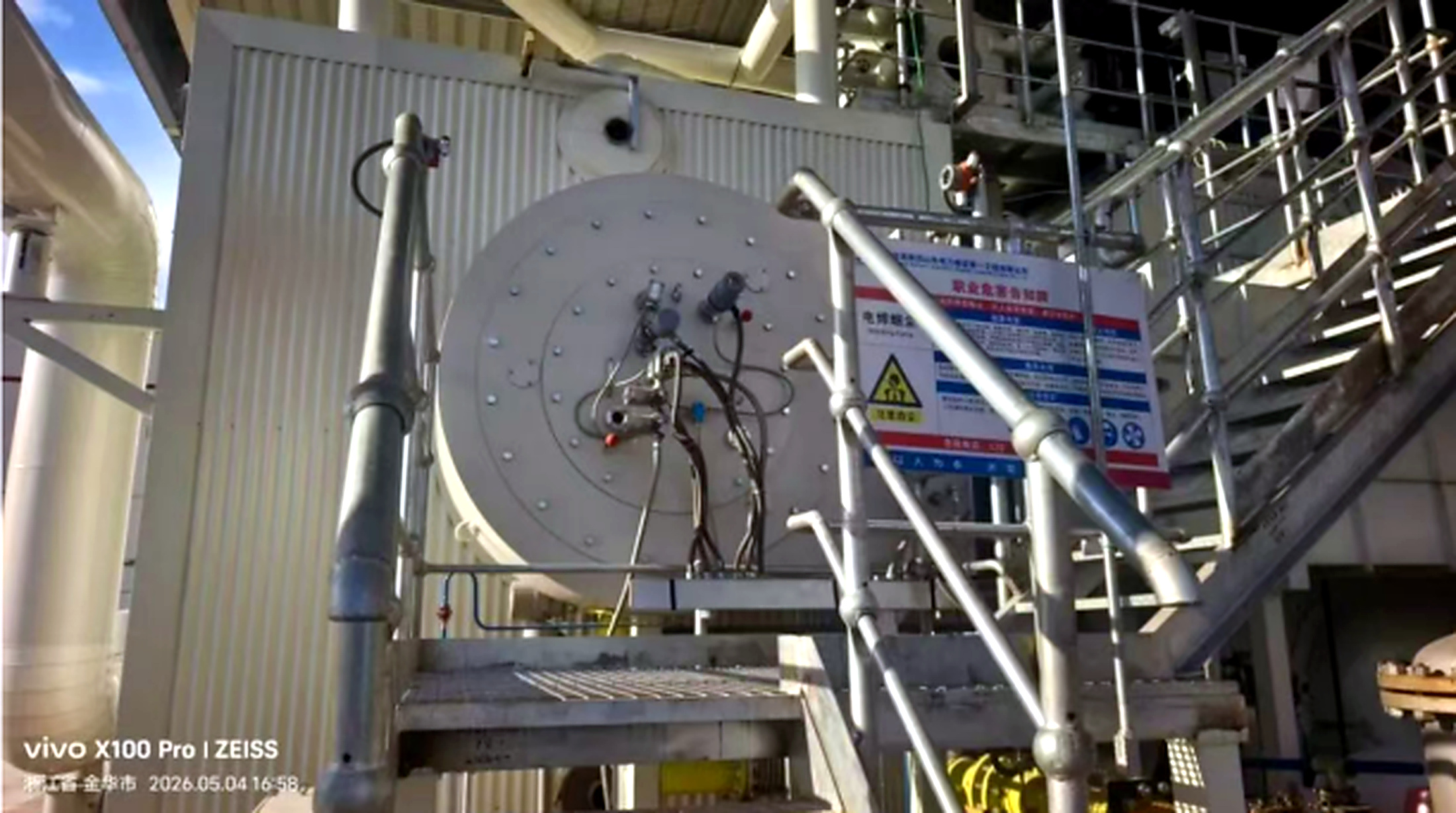
Eacoon’s company update records continuing activity in Southeast Asia, Central Asia and South America. Markets mentioned in the source material include Vietnam, Thailand, India, Myanmar, Indonesia, Kazakhstan, Uzbekistan, Argentina and Chile. More than 20 recently launched projects were reported as delivered successfully.
International projects add requirements such as destination standards, local fuel conditions, documentation language, packing, logistics, installation coordination and remote technical communication. Eacoon applies its manufacturing and service experience to adapt industrial emission control solutions to the confirmed technical scope of each project. Project specifications, certifications and performance commitments should always be verified in the final technical agreement.
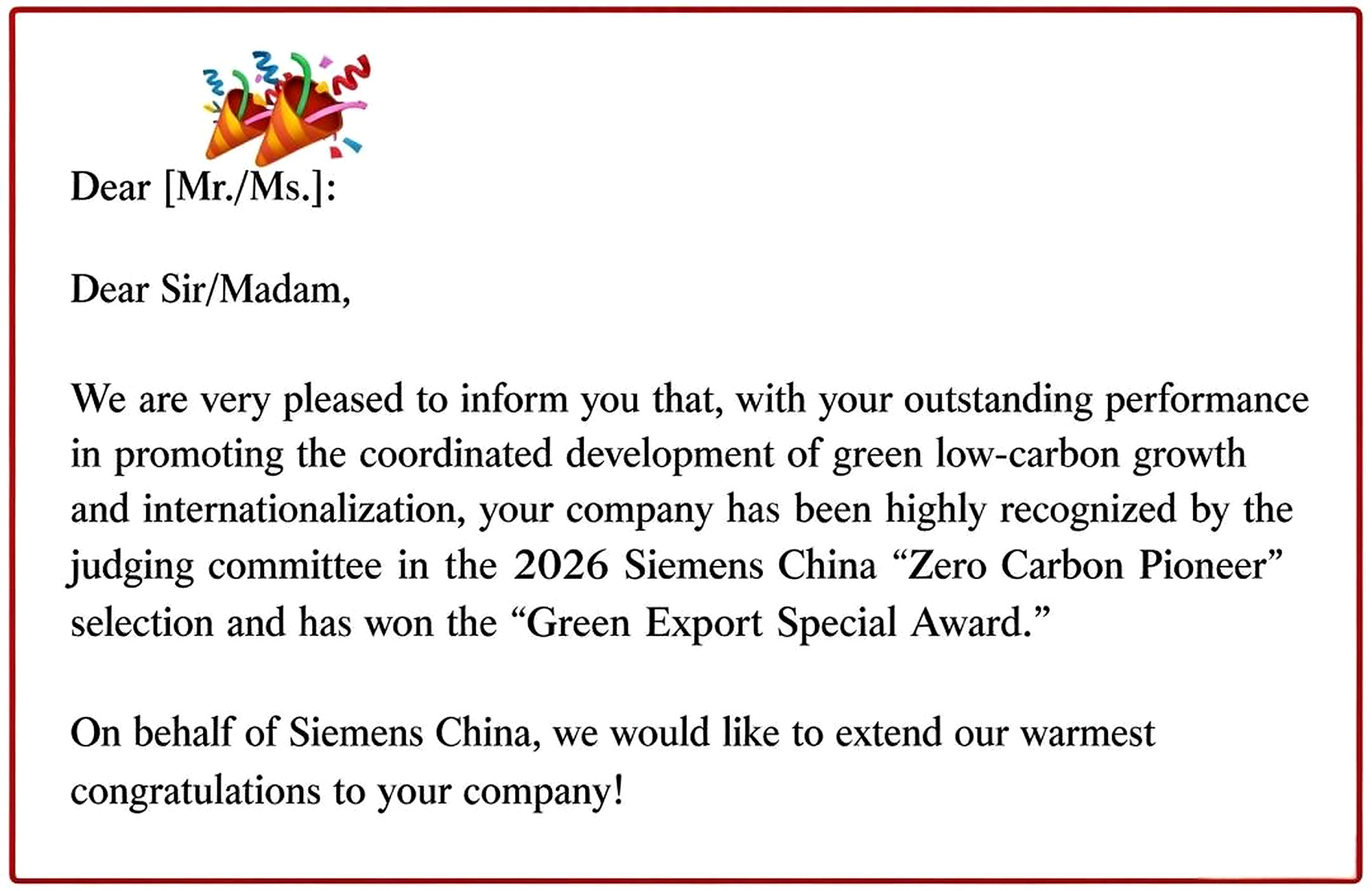
The source document includes a letter stating that Eacoon Environmental Protection Equipment received the “Zero-Carbon Pioneer Award — Special Award for Green Global Expansion” from Siemens China. The recognition relates to the company’s work in green and low-carbon technology and overseas development. The award image and letter are reproduced as supporting material in the publication package without changing their wording.
Eacoon will continue developing industrial combustion and environmental equipment while supporting customers with engineering, manufacturing and field service. The company’s objective is to provide practical industrial emission control solutions that align with the technical conditions and compliance requirements of each application.
To evaluate an industrial burner, low-NOx retrofit or desulfurization project, prepare the basic operating data before contacting the engineering team. Recommended information includes the application and industry, fuel type, required heat output or capacity, current equipment model, target emission level, site altitude, power supply, control method, available installation space and expected delivery schedule.
Eacoon can then review the information and discuss an appropriate technical path. Explore the company’s industrial burner products, review completed project cases, learn more about Eacoon, or contact the team to submit project data. A proposal should be based on verified site conditions and an agreed technical scope; no article or marketing page can replace project-specific engineering review.
Eacoon’s website presents gas burners, fuel-oil burners, dual-fuel burners and related combustion-system solutions. The source article also describes low-NOx retrofit, desulfurization and dust-removal project experience. The applicable configuration depends on the customer’s process and operating data.
Yes. The source material describes a time-sensitive low-NOx retrofit project involving custom equipment, explosion-proof requirements and complex interfaces. Final scope and achievable performance must be confirmed through a project-specific engineering assessment.
The company reports that its integrated swirl-atomization desulfurization and dust-removal equipment can be considered for new towers and retrofit applications. Suitability depends on the existing tower, flue-gas data, layout and required emission limits.
Provide the application, fuel or flue-gas conditions, capacity, current equipment, target emission level, layout, utilities, control requirements and project schedule. More complete data enables a more accurate technical review.
The company’s September update records after-sales engineers working at multiple customer sites on installation and commissioning. Service scope, travel, responsibilities and acceptance procedures should be confirmed in the project agreement.
Overseas buyers can use the Contact Us page on eacoon-burner.com to submit project requirements and request a technical discussion. Include operating data and the destination market so the team can review technical and documentation needs.
Prepare the operating data listed above and contact Eacoon for a project-specific technical review.
Industrial Burner Products | Completed Project Cases | Learn More About Eacoon | Contact The Team
Operational figures and project descriptions are based on the supplied company source document. Technical results depend on verified site conditions and the agreed project scope.

