
1.When retrofitting coal-fired boilers, the first thing to note is that the capacity of general oil and gas boilers is relatively small and uses a slightly positive pressure combustion method. Integrated burners are often used. On the one hand, the price is relatively low, and on the other hand, modification and construction are relatively easy. It can ensure safe and efficient operation.
2. When renovating small coal-fired boilers with oil and gas, it is necessary to select the burner according to the shape of the furnace. Common ones include ring, exhaust pipe or hearth type natural draft diffusion or atmospheric burners. This type of burner has a simple structure. , does not require a blower, is suitable for low-pressure gas in general civil gas pipeline networks, and is relatively safe.
3. When undergoing gas modification for coal-fired boilers below 10T, they will generally choose to use a slightly positive pressure combustion method, using a higher one-time modification cost to reduce later operating costs.
4. The distance between the front and rear walls of SHL type and DHL type boilers is generally small, and therefore cannot meet the flame length combustion requirements of integrated burners. In addition to removing the grate, the modification method also requires that the burner installation elevation be placed below the rear arch, so that the flame returns downwardly.
5. Another modification method is to use a hearth-type diffusion or atmospheric burner, install it on the grate bracket (remove the grate piece), and use the air supply system for forced ventilation. During slightly positive pressure combustion, both the blower air pressure and the gas supply pressure need to be increased accordingly, and it is not advisable to arrange the integrated burner from the bottom up.
6. The investment in using a split burner with adjustable air regulator blades is relatively large. When retrofitting a water tube boiler, the grate in the combustion space does not have to be removed. It can also be treated by covering the surface of the grate with an insulating refractory layer.
7. Prevent high-temperature corrosion when changing from coal-fired boilers to gas-fired boilers. Since the fuel oil contains organic metal elements such as sodium and vanadium, the melting point of the oxide eutectic crystals formed after combustion is very low, generally about 600°C. Even lower. After these oxides sublime at high temperatures in the furnace, they condense on the relatively low-temperature heating surface to form corrosive high-temperature ash deposits. The higher the temperature, the faster the corrosion. For this reason, during renovation, the heating surface that is susceptible to high-temperature corrosion should be coated with special coatings such as ceramics and silicon carbide. Materials with good high-temperature corrosion resistance can also be used to improve its high-temperature corrosion resistance.
The above is the editor’s summary of the precautions for converting coal-fired boilers into oil and gas boilers. In addition to the above-mentioned items, when converting coal-fired boilers into gas boilers, you must pay attention to fire safety in the gas boiler room. In addition to formulating strict rules and regulations and arranging skilled operators, the boiler room also needs to be equipped with a safe and reliable gas leakage alarm processing system, which can ensure that the gas source is cut off in time in the event of gas leakage to avoid the occurrence and spread of fire. , to improve people’s safety vigilance.
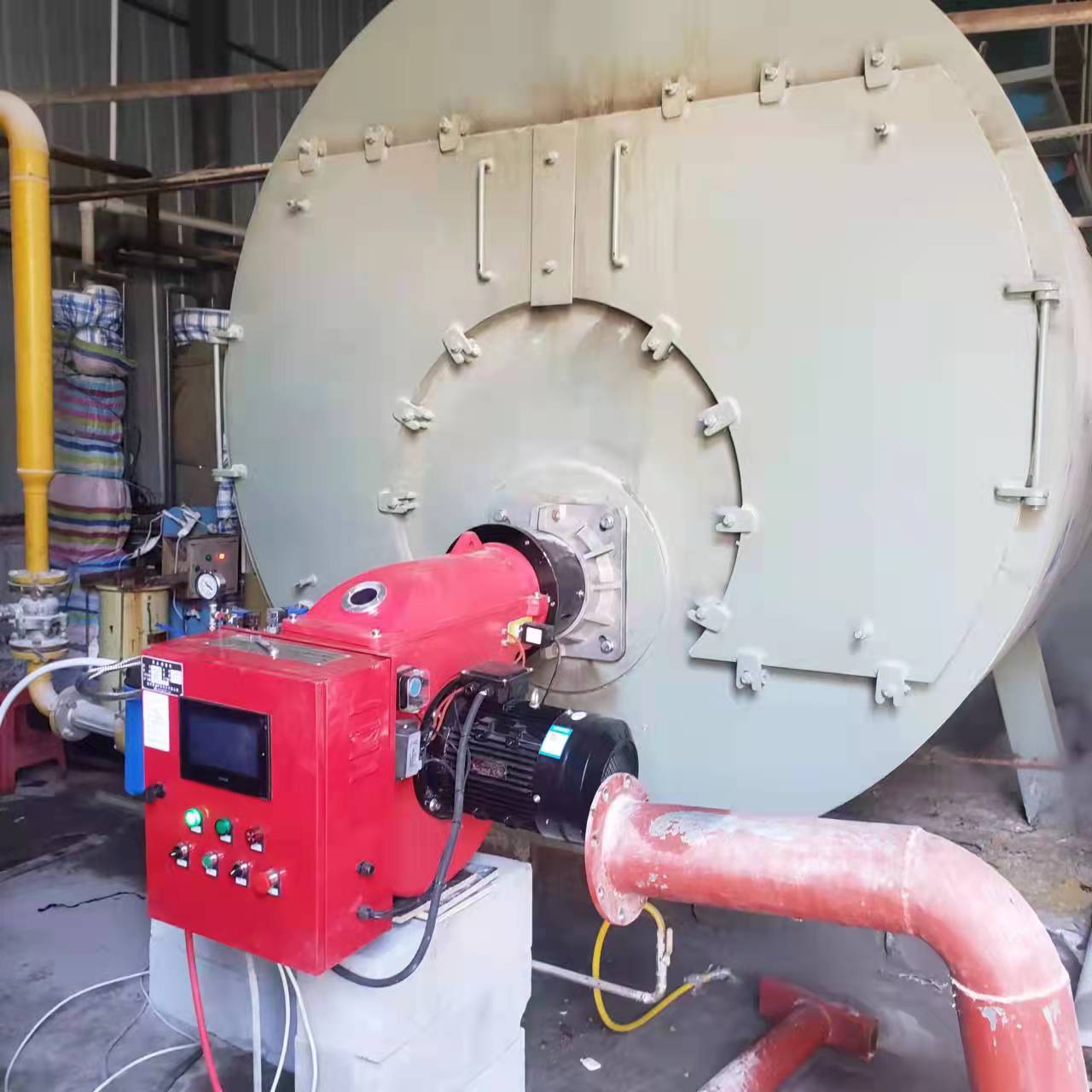
 1.When retrofitting coal-fired boilers, the first thing to note is that the capacity of general oil and gas boilers is relatively small and uses a slightly positive pressure combustion method. Integrated burners are often used. On the one hand, the price is relatively low, and on the other hand, modification and construction are relatively easy. It can ensure safe and efficient operation.

