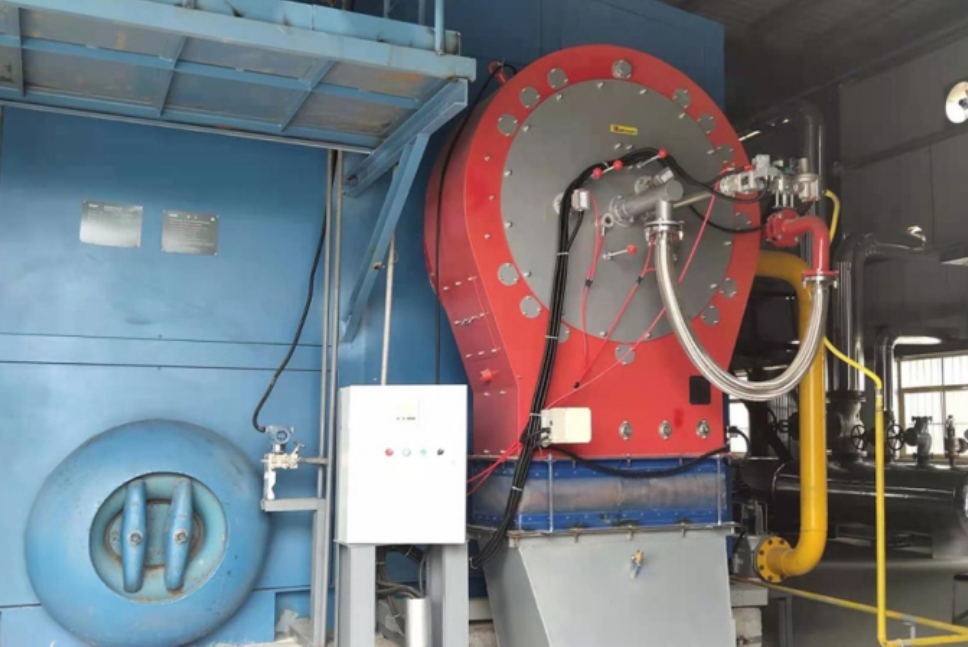
The low-nitrogen burner is a device that integrates traditional burners by adding a blower, induced draft fan, frequency converter, control valve and multi-circuit, so that clean energy and burner operation can provide more efficient heat to the boiler. Let’s learn about the preparations and precautions for on-site inspection of low-nitrogen burners.
 1. On-site safety work
Before entering the site for inspection, low-nitrogen burner manufacturers or users should inform the inspector of on-site safety instructions, conduct safety education and training when necessary, and do a good job in safety protection.
2. On-site data preparationIn addition to the application materials provided before applying for testing, the following materials must also be provided based on the actual conditions on site:
1. Gas or oil burner detection: The main line must have a fuel flow meter, and a flow meter calibration certificate must be provided;
Biomass pellet burner testing: a weighing device (such as an electronic scale, balance, etc.) is required on site to weigh the actual weight of the feed; other gas or liquid fuel burner testing: a fuel flow meter is required on the main line for fuel consumption testing;
2. Provide fuel testing reports for on-site low-nitrogen burners (including fuel composition analysis, calorific value and other testing items).
3. On-site test preparation1. According to regulations, there should be a measuring hole (aperture 50mm-60mm) on the flue near the furnace to facilitate flue gas detection and air volume detection; there should also be a flue gas analysis measuring hole (aperture 10mm).
2. Equip at least one debugging professional. When checking the low-nitrogen burner, you need to check the electronic control safety (the low-nitrogen burner needs to be restarted at least 3 times); you also need to adjust the output power of the burner and test the large and small loads to the design value of the burner. Specific steps are as follows:
Large load: adjust the flow rate to the design value. After the flow rate and flame are stable, measure the flue gas, and record the data after the flue gas value (oxygen content, nitrogen oxides) of the low-nitrogen burner is stable, and measure the noise, surface temperature, and if the flue gas value does not meet the requirements, such as Furnace back pressure requires continuous adjustment of the low-nitrogen burner status until the flue gas reaches the standard.
Small load: adjust the flow rate to the design value. After the flow rate and flame are stable, measure the flue gas, record the data after the flue gas value (oxygen content, nitrogen oxides) stabilizes, and the furnace back pressure during the measurement period. If the flue gas value does not meet the requirements, the status of the low-nitrogen burner needs to be continuously adjusted until the flue gas reaches the standard.
 1. On-site safety work

